Website trends for 2026 - a practical guide for service businesses looking to stay ahead of the curve
Crikey, how is it 2026 already. It feels like no time at all since I was writing my 2025 website trend blog. Yet here I am at my desk, with the kids back at school after the holidays, disappointed that I’ve just demolished the last piece of Christmas cake - and very much enjoying the fresh outlook and opportunities of a new year!
Because for me, a new year is always a great opportunity to properly press pause, look around - and take stock of what’s really working at the moment in the web design industry for service providers.
Whilst as a web designer, I need to work hard continually to stay in touch with what’s going on in the world of websites, the new year is the perfect time to bring it all together.
Because it’s fair to say the online world is pretty fast-moving.
And what worked a couple of years ago - or even last year - might not work as well in 2026.
So what are the 2026 website trends? What will I be recommending to my clients this year? And - most importantly - how can you apply these to your own website?
Short on time? Jump to:
Before we start, do you even need a website in 2026 if you’re relying on other marketing platforms such as social media, YouTube or email newsletters?
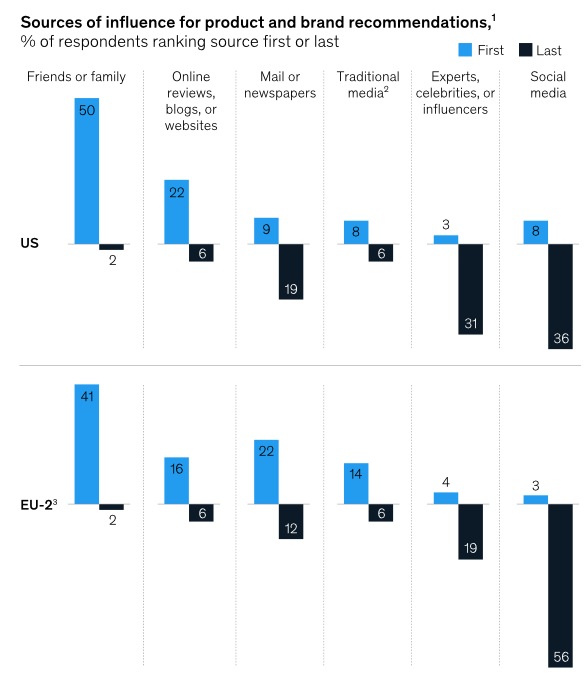
I wrote a detailed blog about this question here - but a recent report published at the end of 2025 by McKinsey shows how - after word of mouth from family & friends - online reviews, blogs and websites are still a significant source of influence for recommendations. So your website really isn’t something you can ignore this year.
Trend #1 - Make your website feel authentic and human
Honestly, we’ve all never needed more connection than we do right now.
We’ve actually got to the point where we’re celebrating typos because it shows something’s been written by a human!
AI-generated content generally leaves a hollow, empty feeling - and with so much of it about, this gives anyone who makes their website feel warm, welcoming (and above all human) a huge competitive edge.
There’s something so refreshing about landing on a website that feels unique and truly reflective of the person who created it.
How can you apply this trend to your website:
Use stories - Your stories are something that AI can’t replicate. They’re completely unique to you. And as humans we love a good story. Whether it’s a case study showcasing a service you provided for a client, the backstory behind one of your offers, or even a behind-the-scenes reflection of something that’s happened in your business - stories are a powerful way to connect with your audience.
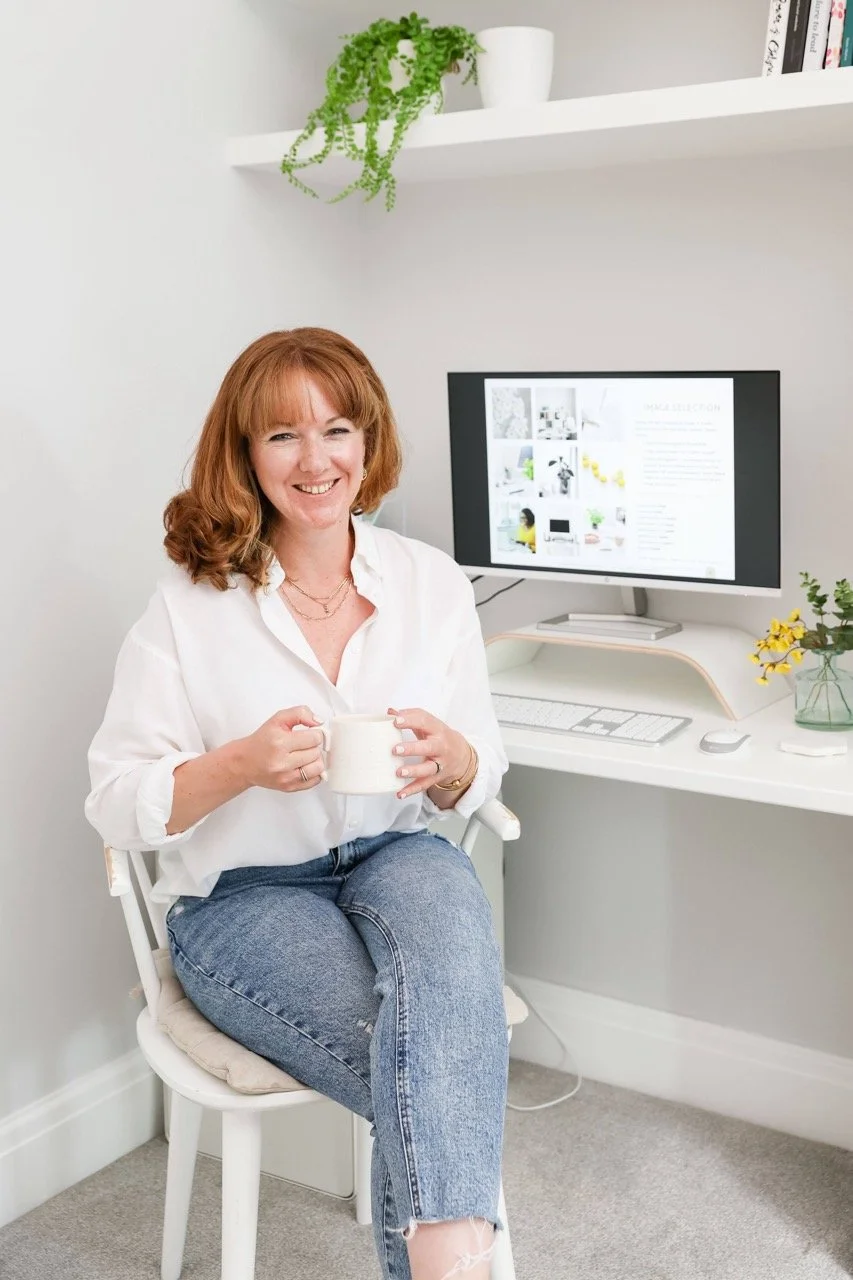
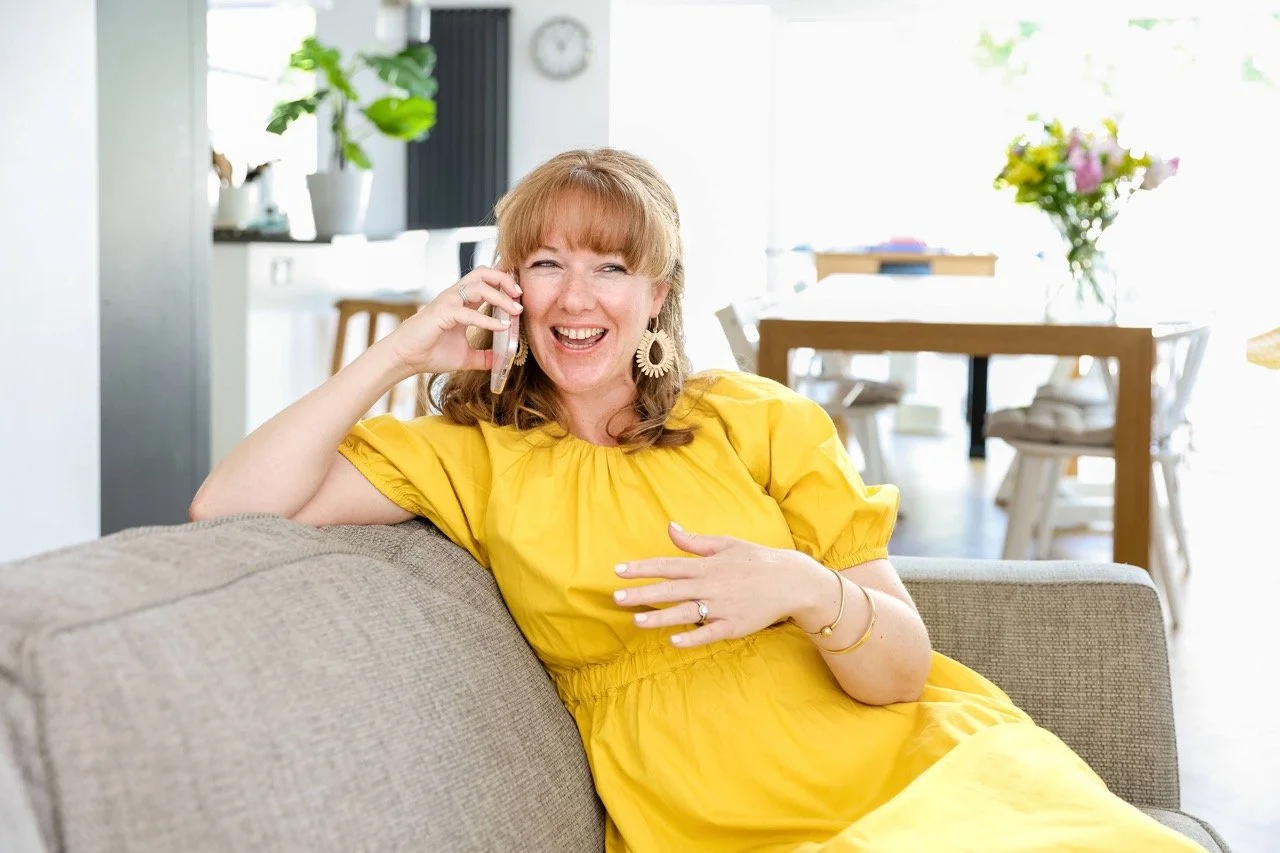
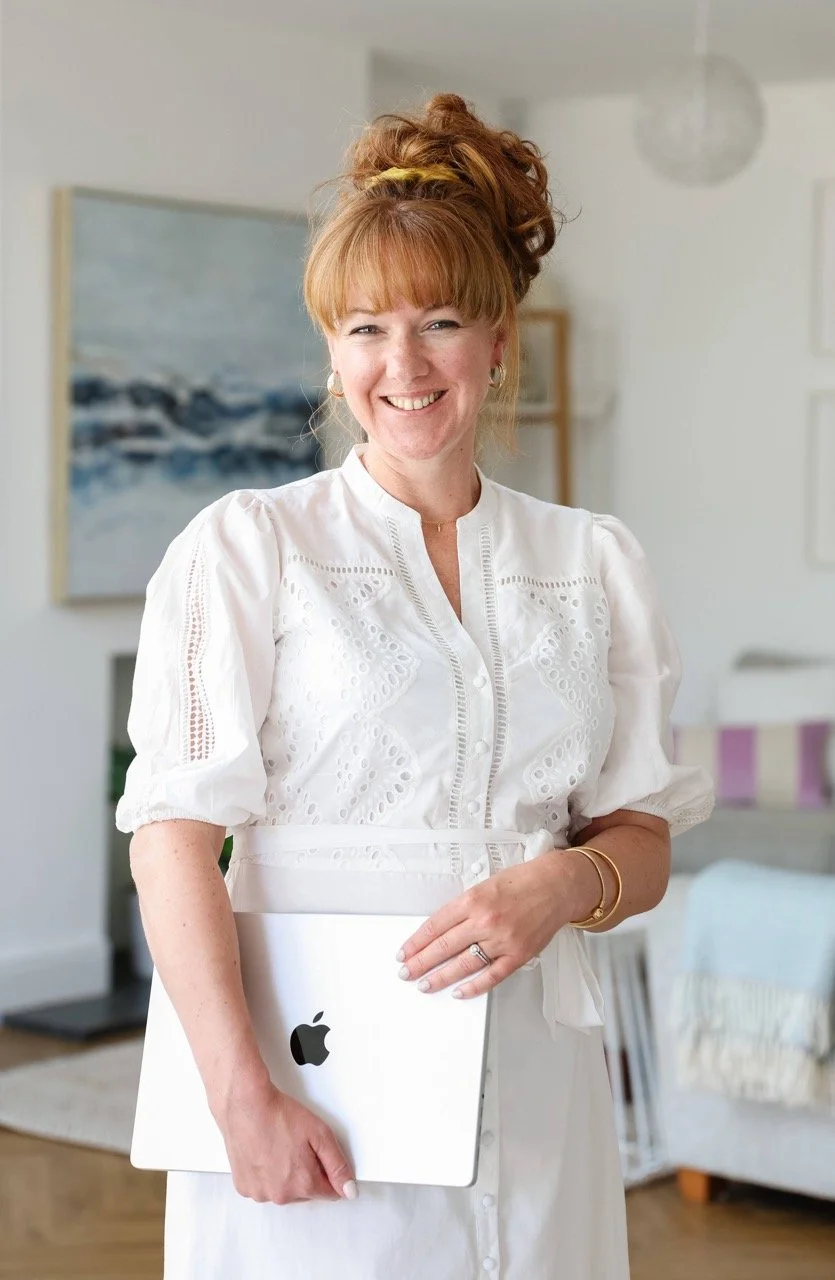
Include photos of you - Showing the person as well as the service business is so important. Bright, smiling images will always help with connection - see my beginners guide on website images for more information.
Share your ‘why’ - Add a ‘Why I do this’ paragraph to your about or services pages to build connection
Write how you speak. Ask questions. Start a sentence with because. Wherever possible, use phrases only you would say. The human voice is so wonderful (and it will make your website feel far less dry and boring).
Trend #2 - Clarity is everything
According to Newsworks ‘chaotic’ is the word their consumers are using to sum up their feelings about 2026.
I can definitely relate to this.
People are online now more than ever. But they’re also cognitively exhausted and we’re constantly hearing about attention spans being low.
Which leads me to this trend - because in 2026, it’s absolutely critical that your website cuts through all this chaos and noise.
How can you apply this trend to your website:
Make design choices that truly reflect your brand - Within a second (pretty much instantly) of arriving on your website, your clients should know they’re in the right place. Use your brand colours, fonts and visuals to create a fast visual connection - so people quickly know they’ve landed on the right business’s website.
Tighten your homepage header section (the top of your homepage that people see when they land on your site) - so it clearly says who you help and how.
Use headings and bullet points generously (and strategically) - This will help people quickly scan your content, guiding them through your copy and highlighting the most important message
Trend #3 - Include trust-building content
The rise of AI has seen a decline in consumer trust.
This isn’t necessarily a new trend for 2026 - but it’s one that has been gaining more and more traction. This year, more than ever before - using your website to build trust has become a necessity rather than a nice-to-have.
How can you apply this trend to your website:
Add testimonials from previous clients or, if you have them, embed reviews from Google or Trust Pilot. Where possible, include these next to key decision points on your website, like your pricing section or on your contact page.
Write compelling case studies for your services that highlight your unique process and how you arrived at the end result
Include any accreditations or industry standards you have for your industry
Trend #4 - Make your website AI-friendly
I know this might feel like a contradiction to my first point about designing for humans - but I’m sure it’s not a surprise that AI has popped up as a 2026 trend.
Because in 2026, we’re no longer creating websites that will only be read by humans.
AI bots are also crawling our sites to provide AI summary responses at the top of search engines, or to respond to individual AI chat requests.
This really is a complete game-changer in how we need to think about our websites - in particular our content and how it is structured.
But if this all feels a little I Robot, don’t be alarmed - it isn’t as bad as it seems.
Whilst our content absolutely now needs to be created with both humans and AI in mind - luckily - I believe the latest recommendations for making your website AI-friendly will also improve visitor experience.
How can you apply this trend to your website:
Make your website content rich - Not many words? This won’t work for AI (or generally being found in search engines). Words tell the algorithms what your business is all about - and gives both AI and search engines information they can use to share your website in their rankings and recommendations.
Use headings and short paragraphs to structure your content: AI likes information ‘chunks’ - so avoid long paragraphs of more than 2-3 sentences and use headings to give both visitors and AI a clear steer about what’s on your webpages.
Include FAQ sections - Both AI bots and readers love FAQs (and bonus they’re a great help for overcoming any buyer objections).
Include reviews and accreditations - Just as I mentioned above with trust building - reviews also factor in AI searches so it’s really helpful to include these if you have them.
The most successful businesses this year will be the ones staying ahead of the curve - and having a powerful online presence will be a huge part of this.
Implementing the recommendations on this page now will hugely help your website this year. And if you’d like any support at all, I’m always here!
Talk soon,
Rachel
If you’d like to learn more about my web design support and prices - please click here for all the details…
Other blogs you may like to read: